Archive for the ‘kh6wz’ Tag
An article in Fleets and Fuels says, “…30 compressed natural gas-fueled trucks for Saddle Creek in Texas (and one in Louisiana), and 55 liquefied natural gas-fueled trucks for Blu in Utah and Georgia…”
Read the complete story here.
I really like the photo of the CNG truck being fueled – you can see the Agility Fuel Systems Fuel Management Module (FMM) in the picture. . .
Click here to see what I mean. . .
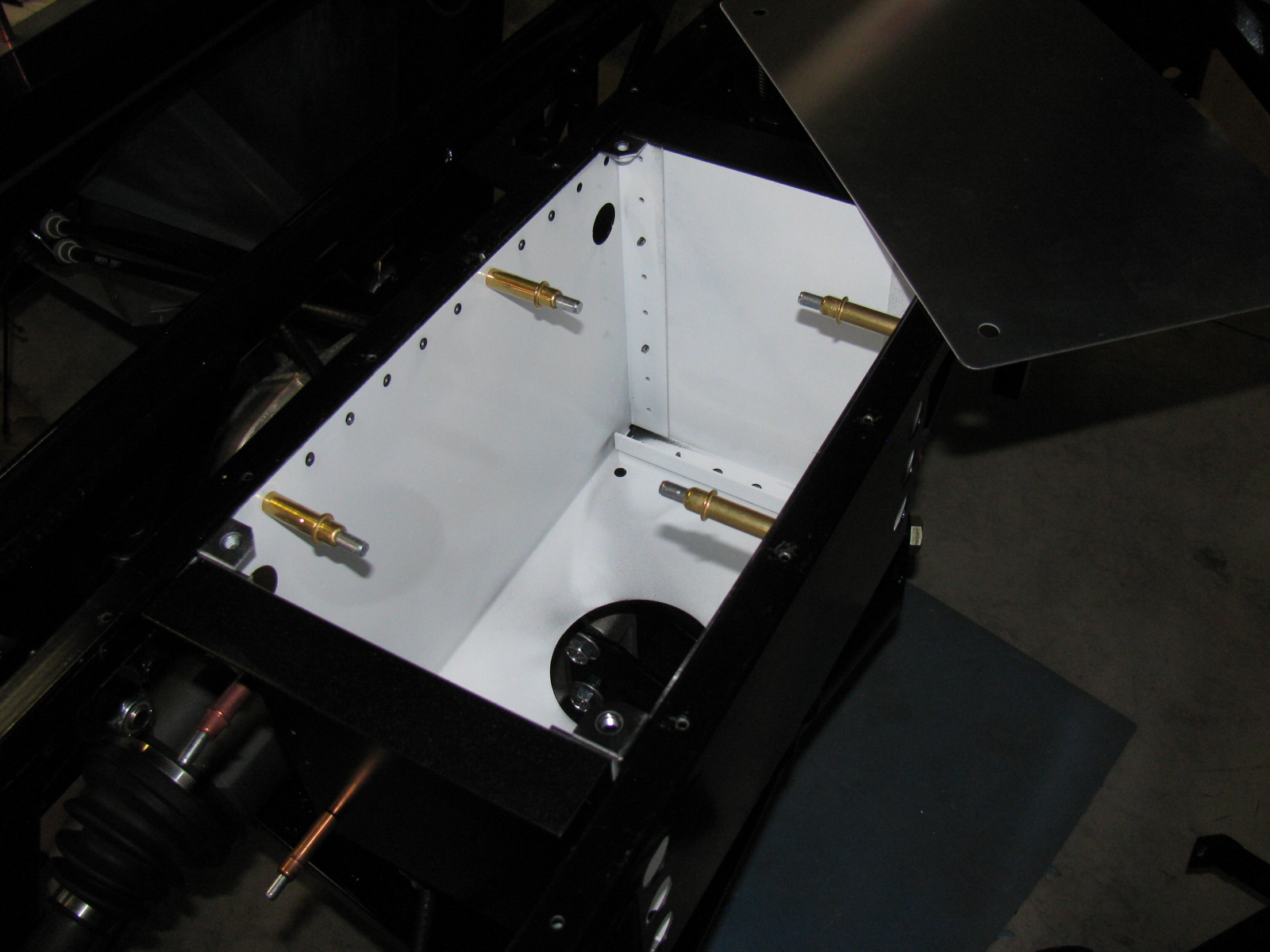
I painted and installed the slightly modified battery box from FFMetal this past weekend. Just to be different, I decided to paint the box white on the inside and black on the outside.
As you recall from my previous Coupe update, the battery box fits very tightly into the chassis – and I figured out a way to install the battery box without scratching up the paint – the trick is to install and build the box piece-by-piece into the chassis space. In other words, do not assemble the battery box and then mount it into the chassis – instead, build the box into the chassis.
NOTE: By building the battery box into the chassis, adjusting one side of the box inward (as described in my previous battery box notes) may not be necessary. Try a dry-fit before you drill the side of the box to change the dimension slightly.
This is actually easy to do, but difficult to explain. Here are some pictures of the freshly-painted battery box installation:

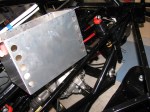
FFMetal battery box for the Type 65 Coupe – the individual parts are inserted into the frame one piece at a time, Cleco-ed into place, and then riveted. (Left side view.)
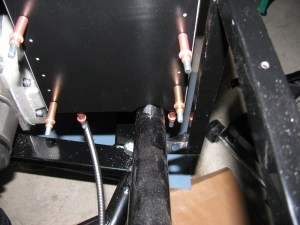
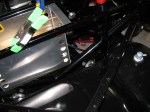
A close-up of the small cut needed on the left side of the battery box. This cut-out does not interfere with the battery – but the battery clamp bar may have to be moved, depending on where terminals, vents or filler caps are on the battery.

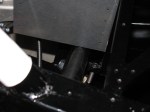
Another view of the two-tone battery box. I like the white interior, it makes it look nice and clean. Of course, a lid will cover everything later. . .
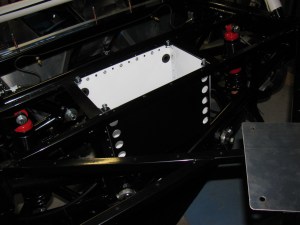
Another view. . .

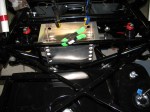
The battery box with the supplied cover in place. Since I moved one side inwards, one cover screw does not line up properly. This does not bother me too much – I will install a small piano hinge at the upper side of the battery box, and the bottom two screws will hold the cover in place.
When the trunk floor panels are installed, I will make a cut-out to access the battery compartment. The instruction sheet shows how to make the cut-out in the floor panel, but I will make the cut-out with an easier technique that woodworkers use: A router and pattern bit. I will show how this is done when I get to that stage.
I may make a small finger-hole on the cover so it will be easier to open. Insulation and carpet will cover the entire trunk area later.
For the last several weeks I have seen a pile of colorful winter squash at the local grocery store, and wanted to roast some in my Big Green Egg. So I finally tried this, using a recipe from food.com. It is simple to make and very tasty when smoke-roasted on the BGE.
The original recipe can be found here.
Here are some pictures of how I did my Sunday dinner. . .

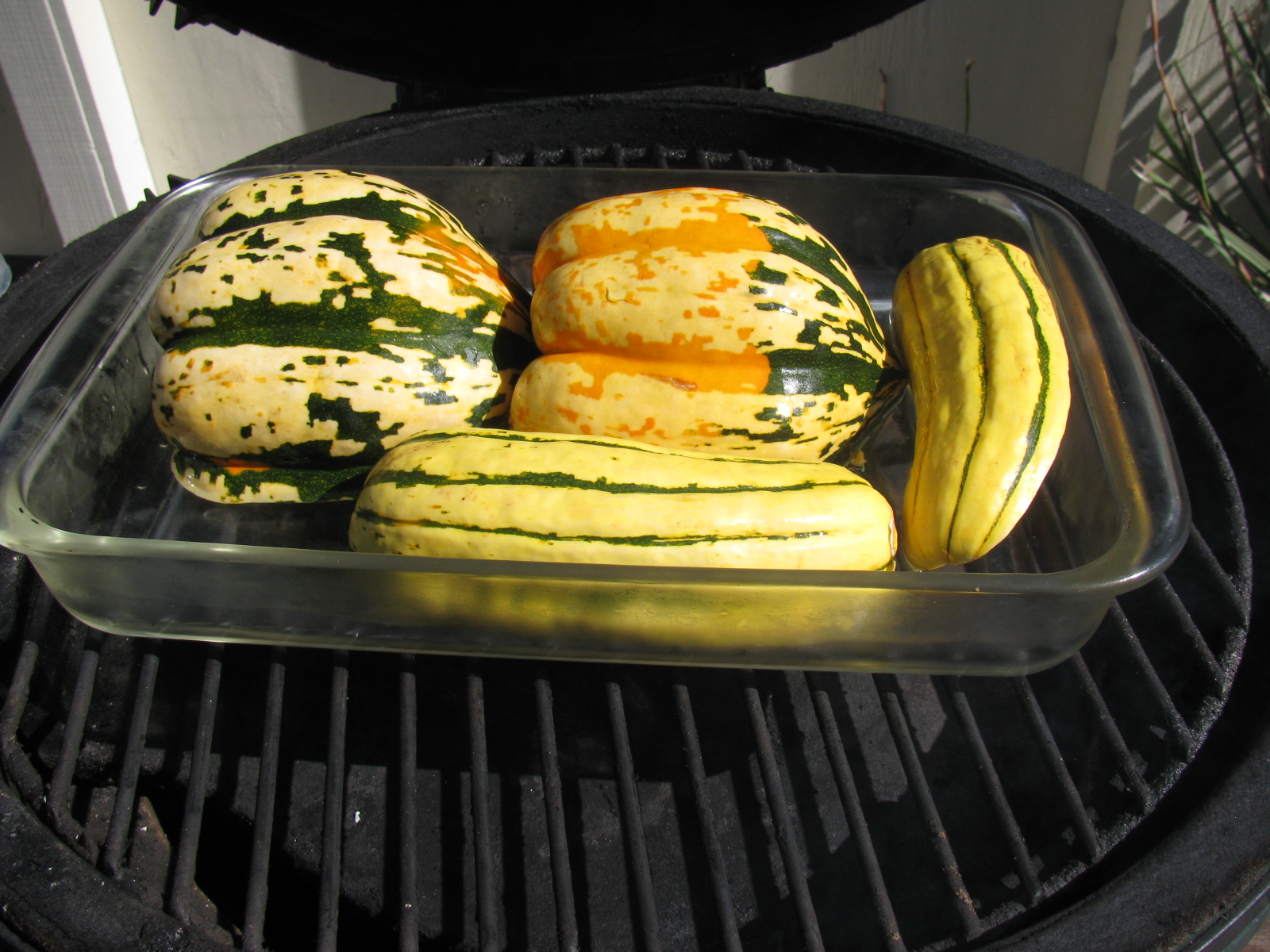
Two types of winter squash
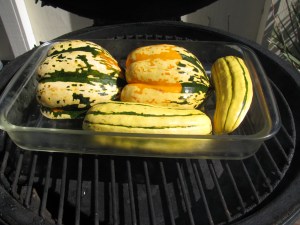
Squash cut length-wise, seeds removed and placed in a Pyrex baking dish with some boiling water. Bake/roast for about 35 minutes at 350 to 375 degrees F.

Remove the squash and stuff with (cooked) sausage, onion and bread crumb mixture. . .

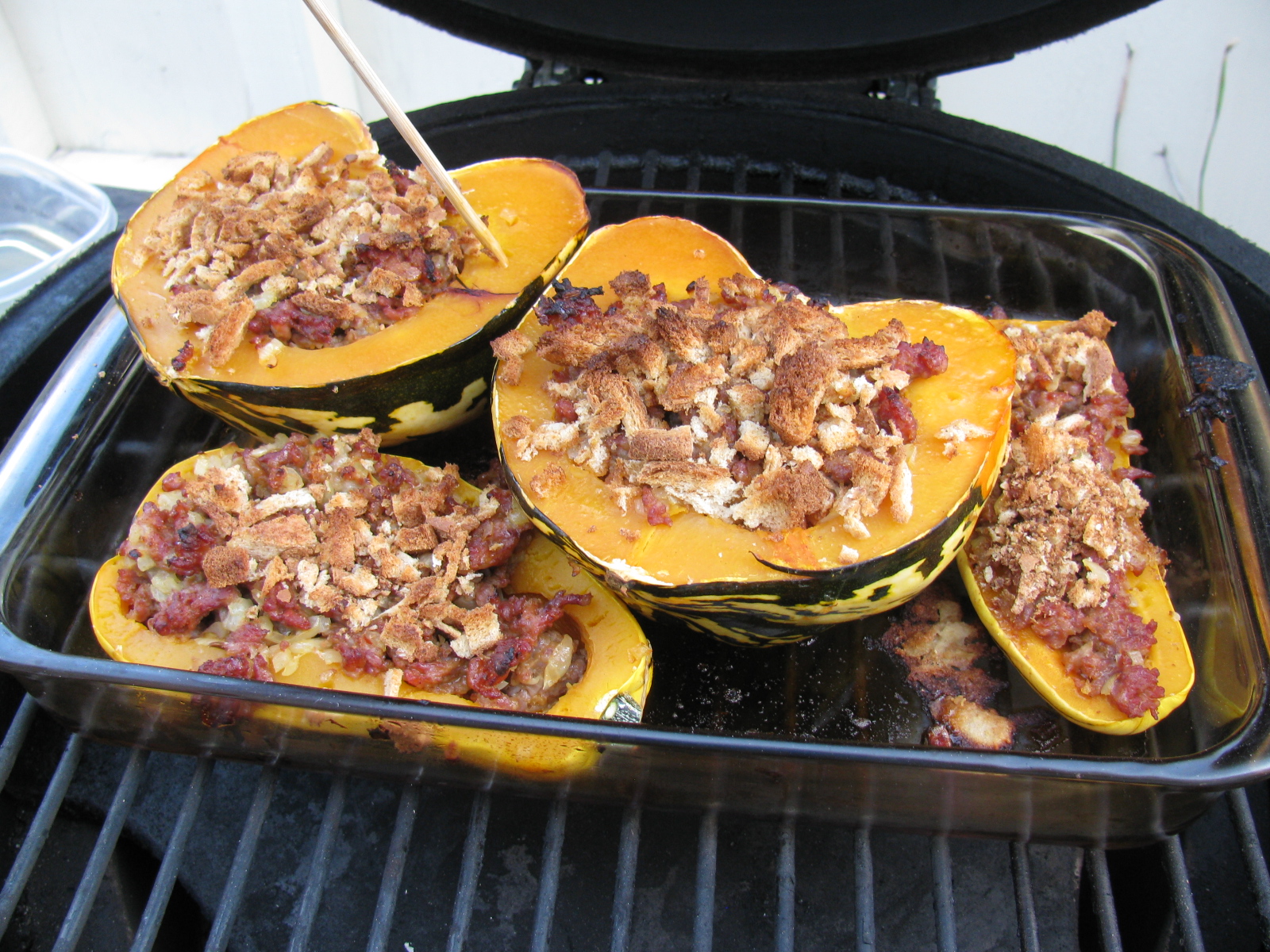
Back on the grill and continue baking for another 20 minutes – or until done. Poke the squash with a skewer or fork to verify doneness.
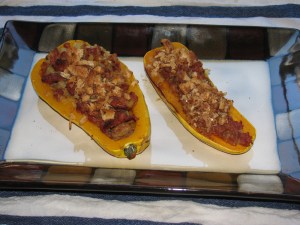
Stuffed squash 1 – done.

Stuffed squash 2 done.
The smoke flavor, the tender squash and the pork sausage go very well together – Give this simple recipe a try, it’s mighty tasty!
Great announcement from Paper Transport in Green Bay, WI, USA. Nice mention of the Agility Fuel Systems and how their natural gas fleet is both cost-effective and clean. Click here to see the story….
The past weekend was a busy one indeed. I made some time to participate in the microwave contest, dragging my rig out to the bluff overlooking the Bolsa Chica Wetlands and then to El Segundo. The 10 GHz and Up Contest is unique, since it spans over two weekends, the first part is in mid-August and the second part near the end of September. This gives participants a chance to fix broken rigs and continue to add points to their scores.
To be honest, I was not prepared for this contest. I did not have any roving plans, my Prius was not modified to supply my 7 watt 10 GHz rig with power and my mobile radio was not programmed with any of the liaison / coordination frequencies. However, I managed to have some fun testing out my homemade 10 GHz (X-band) rig.
I noticed something during the contest: I was afraid of killing the 12V battery on the Prius, so I left the car on and “ready” during the entire contest. I turned off the air conditioner and the courtesy light. As with normal operation, the gasoline engine will only run when it is needed to charge the system, including the 300V (or whatever voltage it is) traction battery.
Since the rig draws 10 amps in transmit, and transmitting a continuous signal for “beaconing” so that other stations can find me is a routine practice in microwave contesting, I was worried that something might happen to the Prius power system.
However, the car seemed to be fine, and the rig was happy to run under full DC power, producing a clean signal and no “unlock” condition. The engine did start up and ran for less than one or two minutes at a time, and the engine is so quiet, sometimes I did not notice it was on.
Using the Prius as a power system worked out so well that I will eliminate my spare battery idea and mount a power connector on the battery box lid so I can use the DC to power station equipment for the next contest. I have a 100 Ah gel cell battery in a big plastic box that I usually use for radio contesting, so it is independent from the car power system – but I discovered the battery was dead and was not holding a charge when preparing for the Disaster Expo – that is another story. . .
Since I operated from these two locations before, I don’t have too many pictures of these places, but these will give you some idea of what operating a rover station in the 10 GHz contest is like. Well, not really.
My un-official score for about 5 hours of operating time is:
1900 QSO Points + 3341 Distance Points = 5241 Final Score
Best DX is 217 km, when I worked K6NKC and KC6UQH in DM12rr (East San Diego County) from El Segundo, DM03tw
The most fun and challenging contact happened to be my last contact. It was a two-way CW contact with WA6JBD in DM14go (not sure where), from the El Segundo water tower location.
Of the 29 total contacts made, 19 were unique callsigns
Here are some pictures . . .
-
-
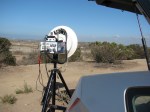
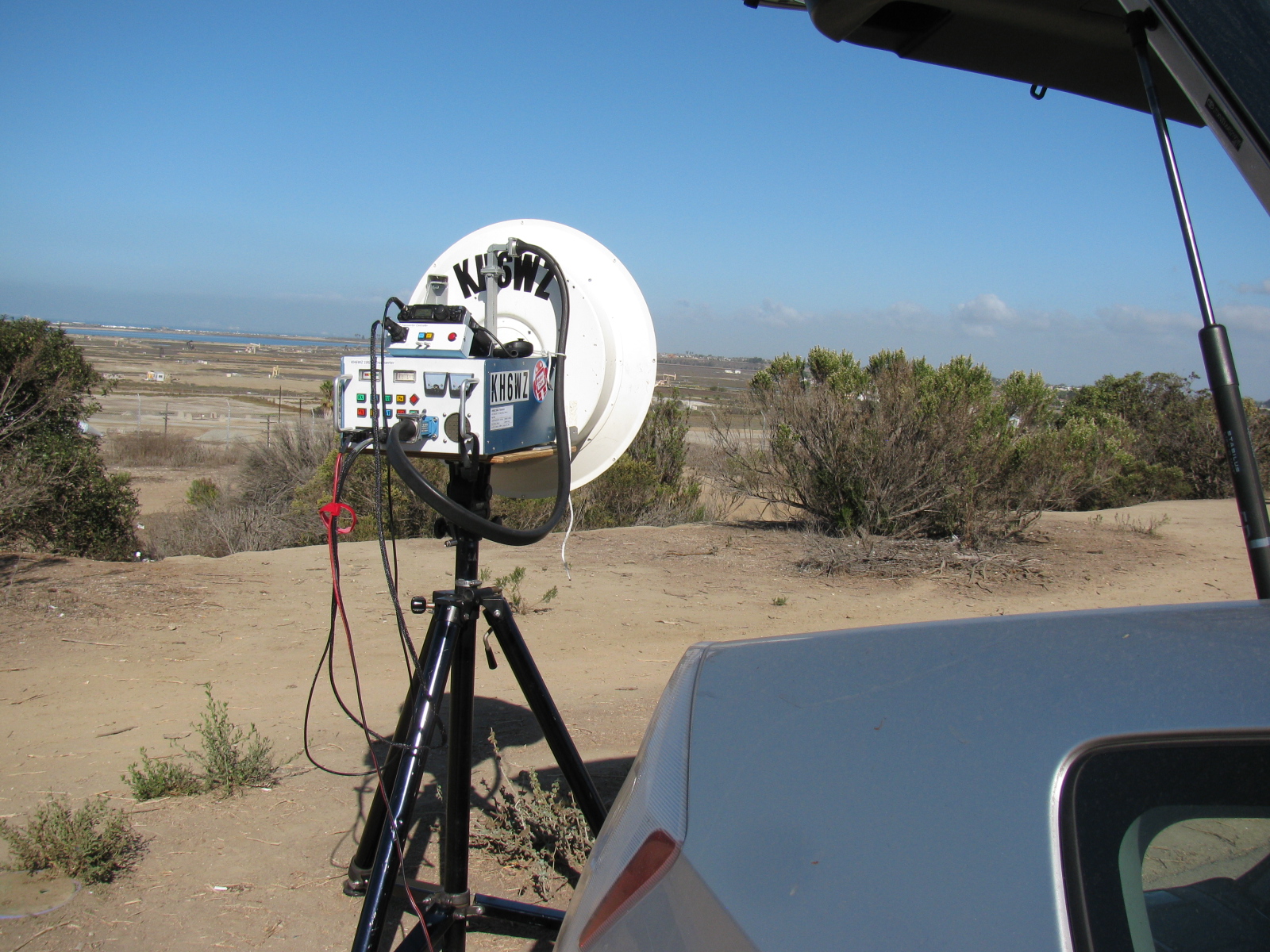
The first stop – KH6WZ in DM03xq – Huntington Beach, CA
-
-
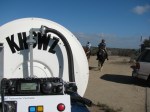
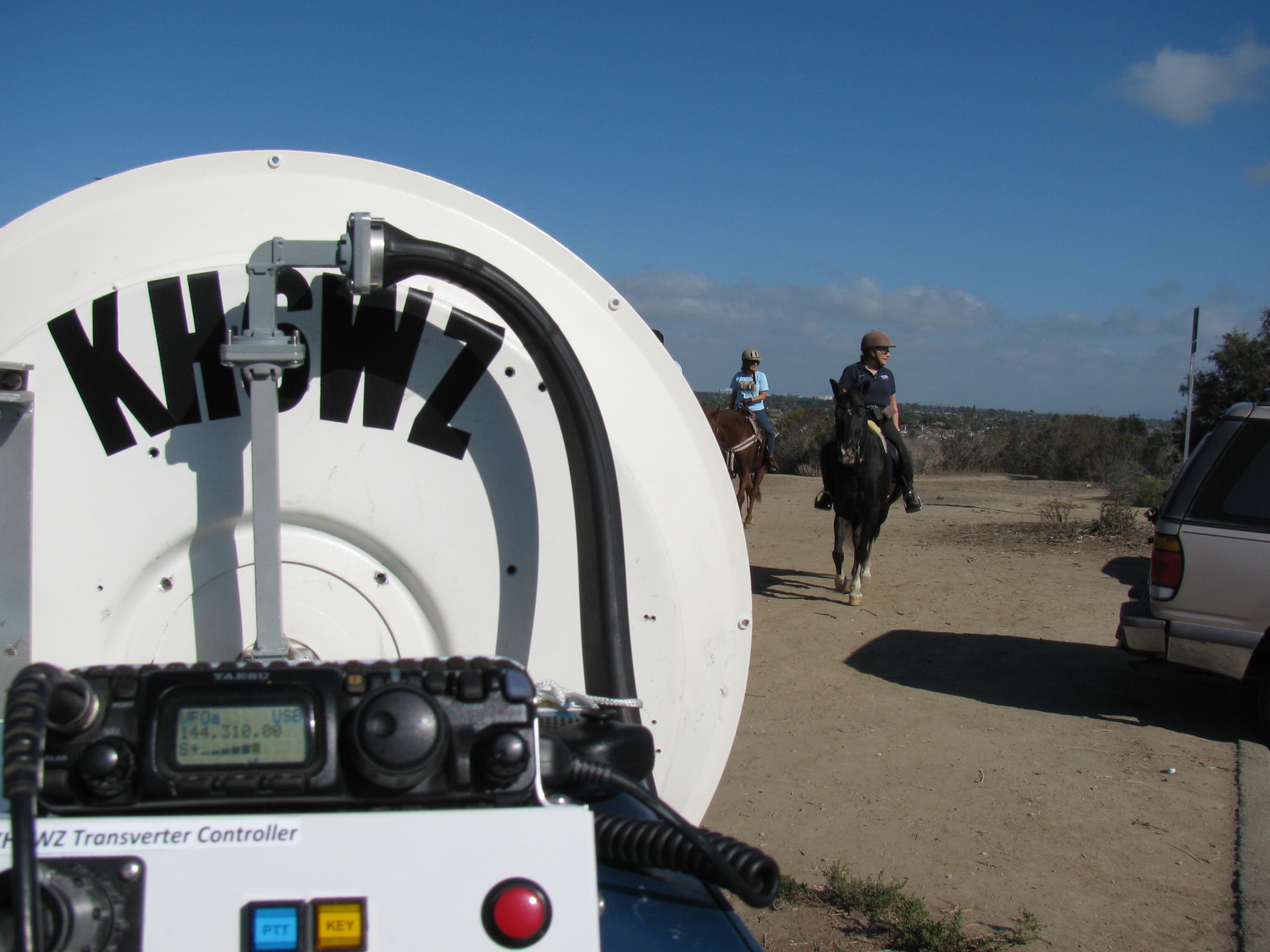
Some human as well as four-legged visitors to the Huntington Beach location. Take a look at the FT-817 S-meter and notice how the N6CA beacon (Frazier Mt., DM04ms) is booming in.
-

-
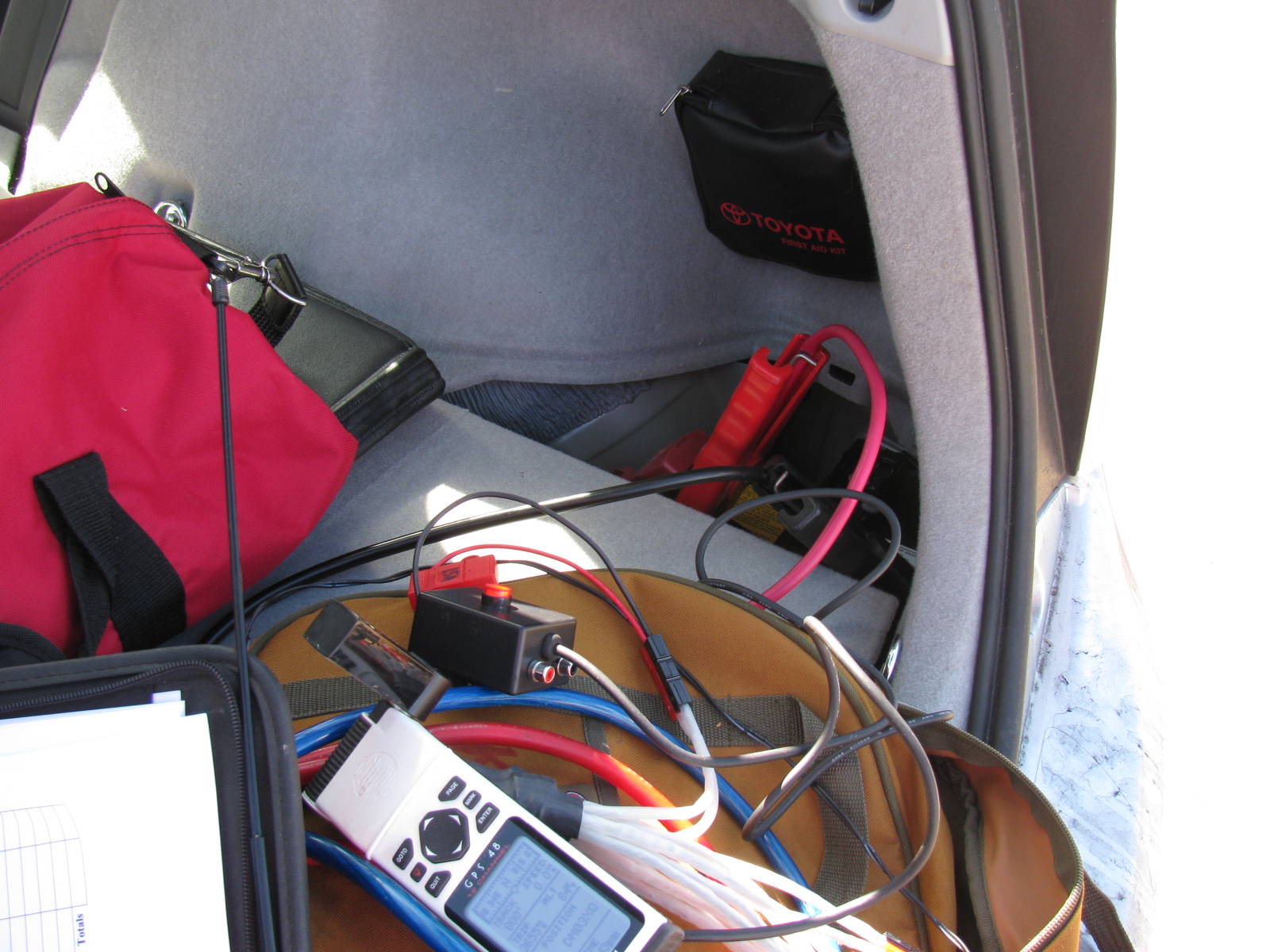
Battery jumper cables clipped onto the little 12V gel-cell in the back of the Prius supplied power to the station, which draws about 10 amps on transmit.
-
-
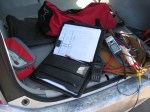
I really need to do something about the operating position inside the Prius. Yaesu FT-60, old Garmin GPS and the log sheets thrown in the back of the car.
-

-
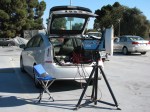
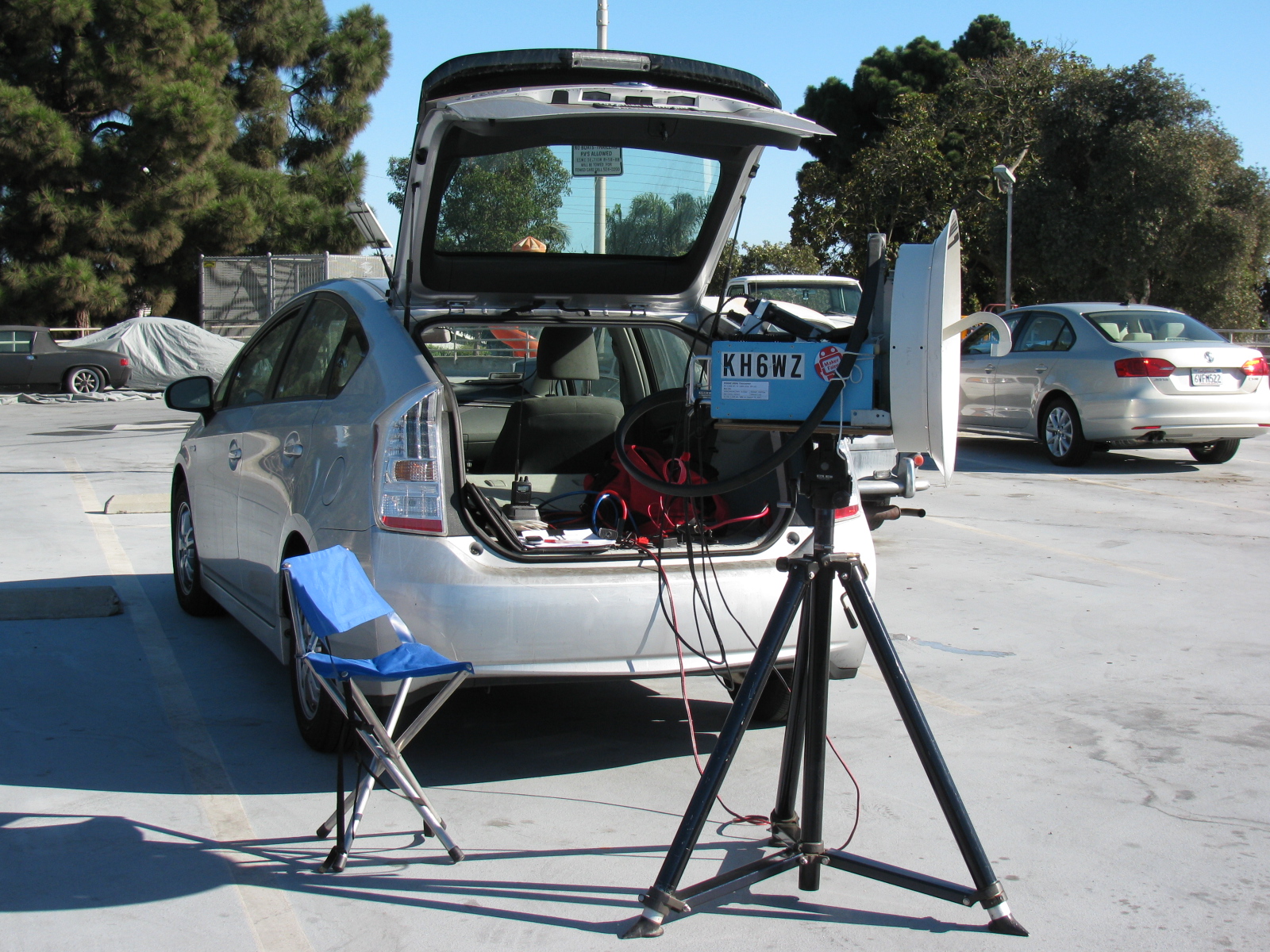
This is the second of two stops on contest Sunday. El Segundo, DM03tw. This is the top of a parking structure for a park, for some reason I never took note of the name. It is easy to find, just look for the water tower.
-
-
The KH6WZ station at DM03tw. The camping chair is more comfortable than it looks.
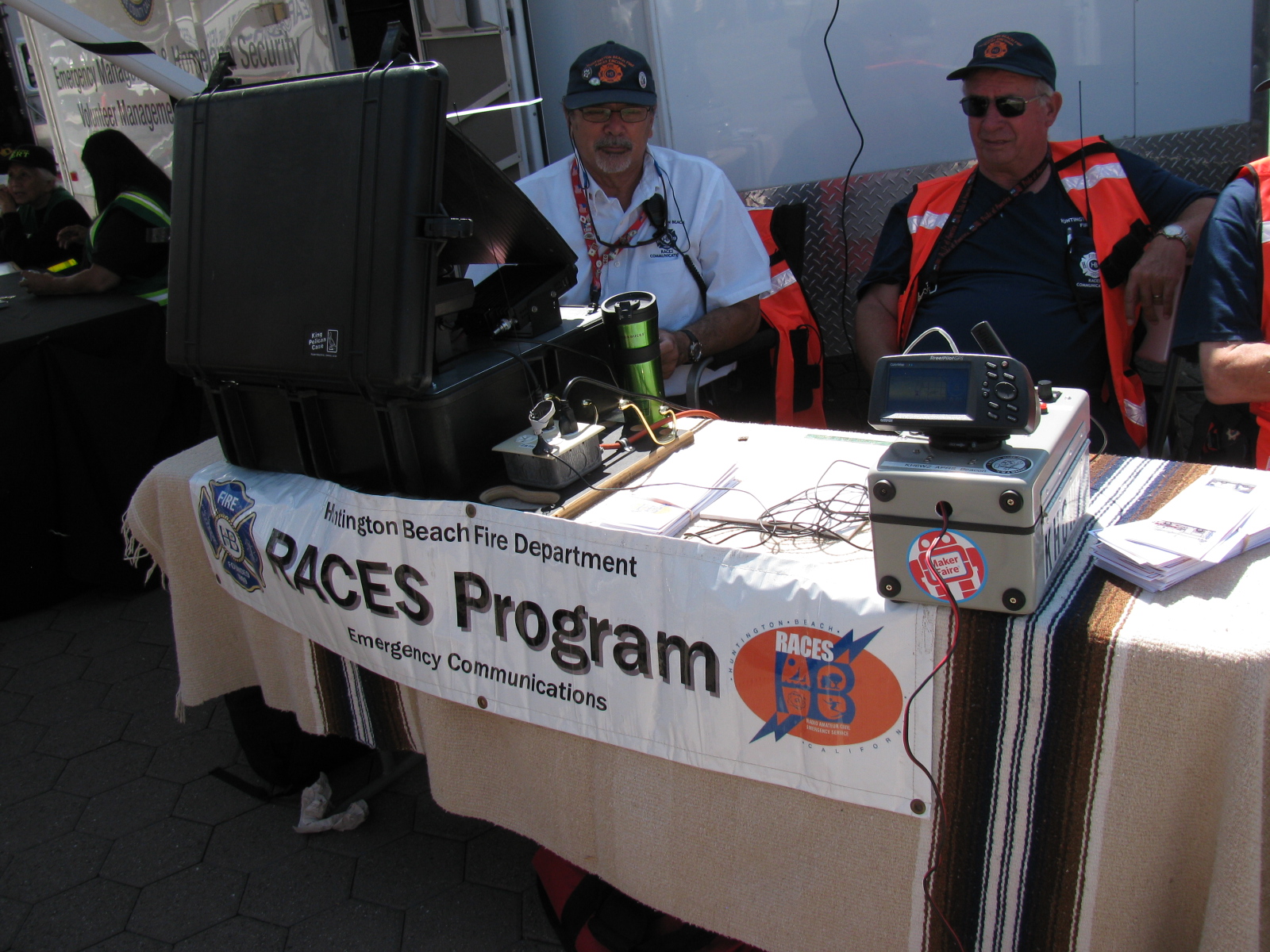
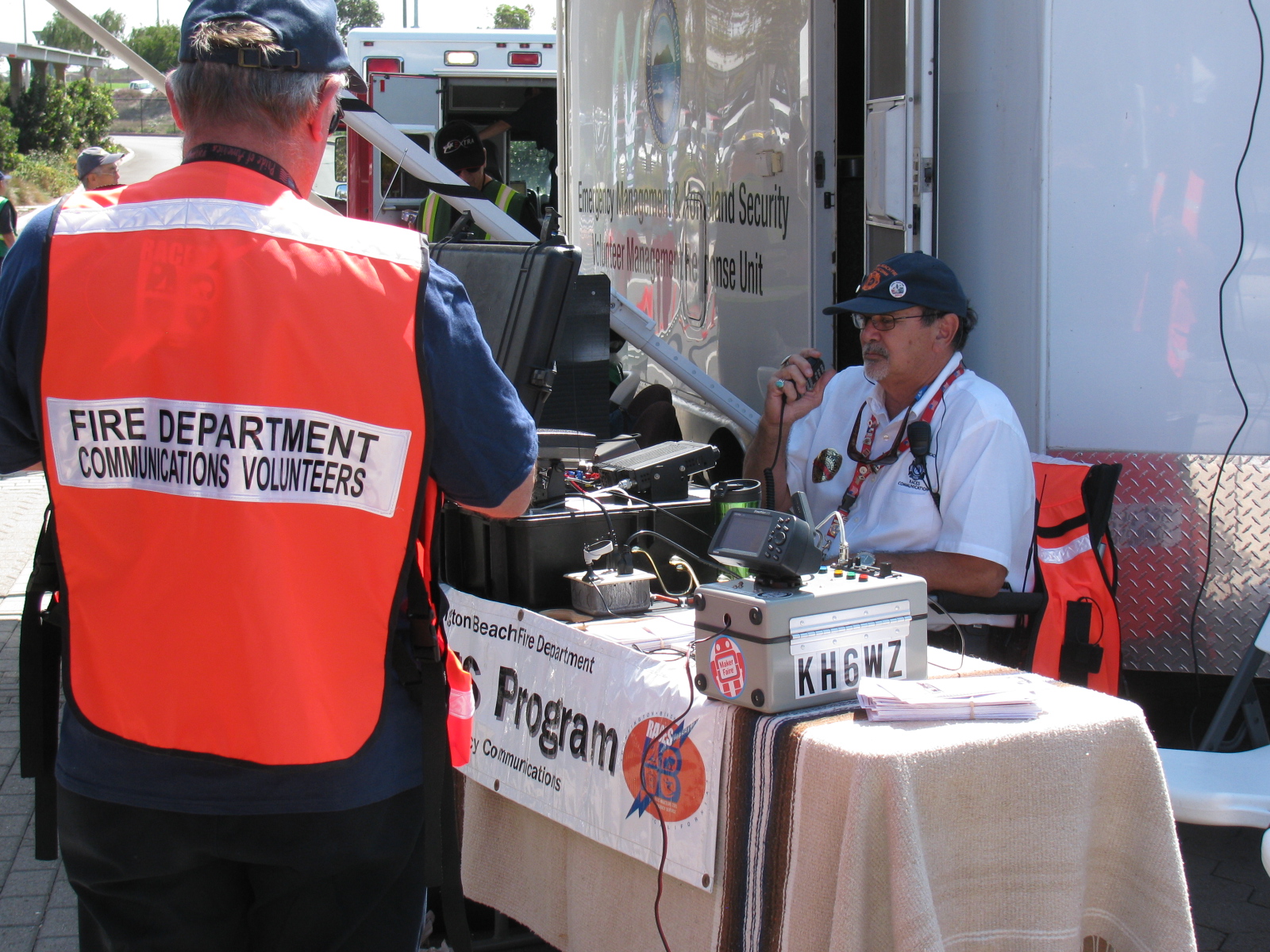
Six active Radio Amateur Civil Emergency Service – RACES – members were on-hand to meet and greet visitors to the Disaster Preparedness Expo on Saturday, September 21, 2013 at the Huntington Beach Central Library.
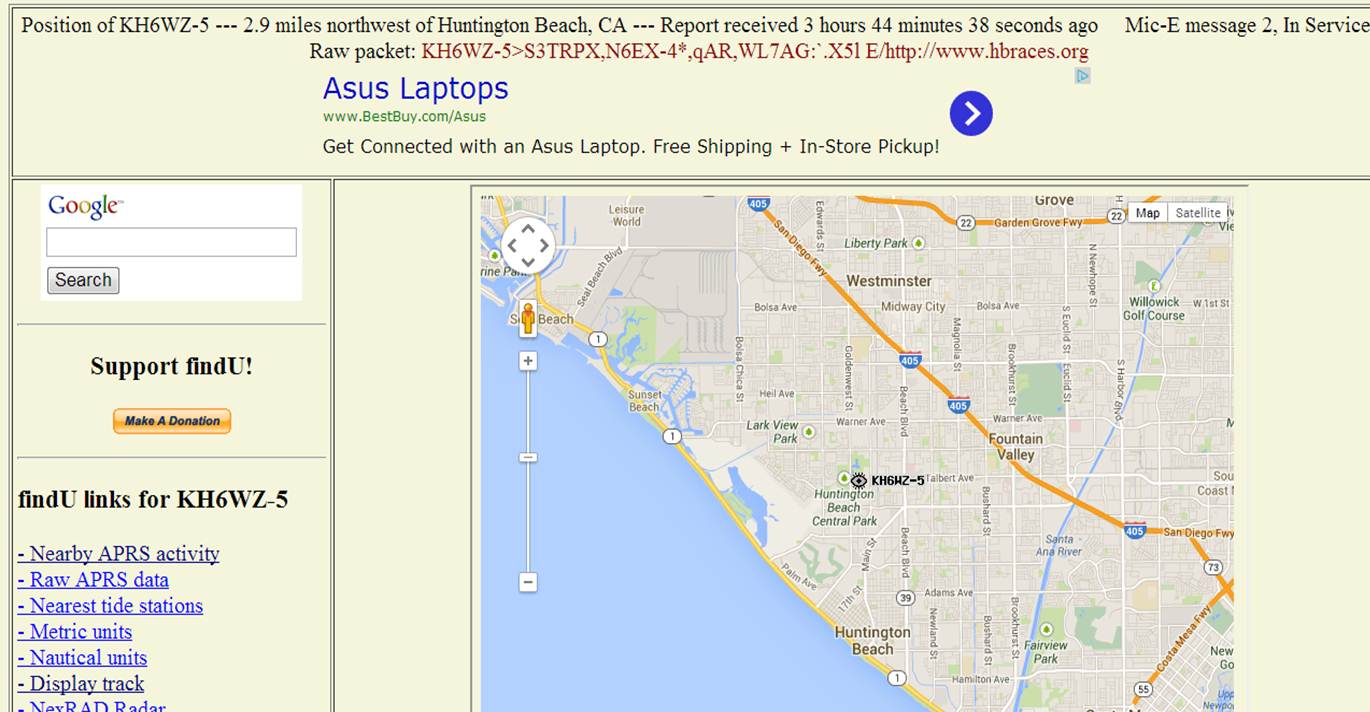
The RACES volunteers explained what the RACES group is and what we do for the City of Huntington Beach. Joe Tom, KB6JOE, brought his portable radio system, shown in some of the pictures. Wayne Yoshida, KH6WZ and Public Information Officer (PIO) for the RACES team, brought an Automatic Packet Reporting System (APRS) beacon, which transmitted the demonstration station location. A screen capture of the map can be seen below. The Expo location is indicated by the eye icon and the KH6WZ-5 callsign. The APRS message also points to the HB RACES website, www.hbraces.org/.
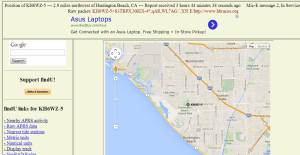
Screen capture of the APRS beacon information. The Disaster Preparedness Expo location is indicated by the callsign KH6WZ-5 as well as the eye icon.
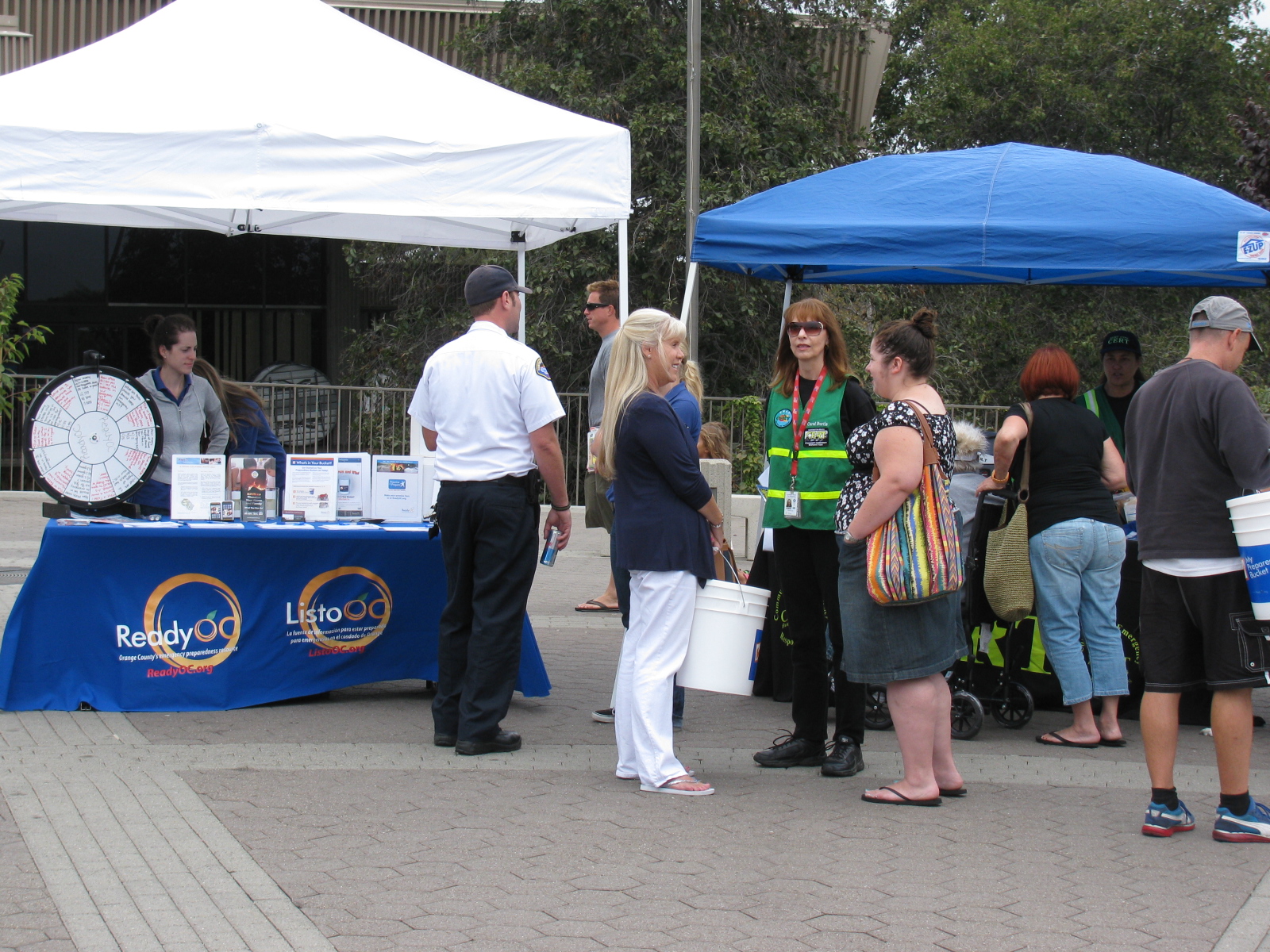
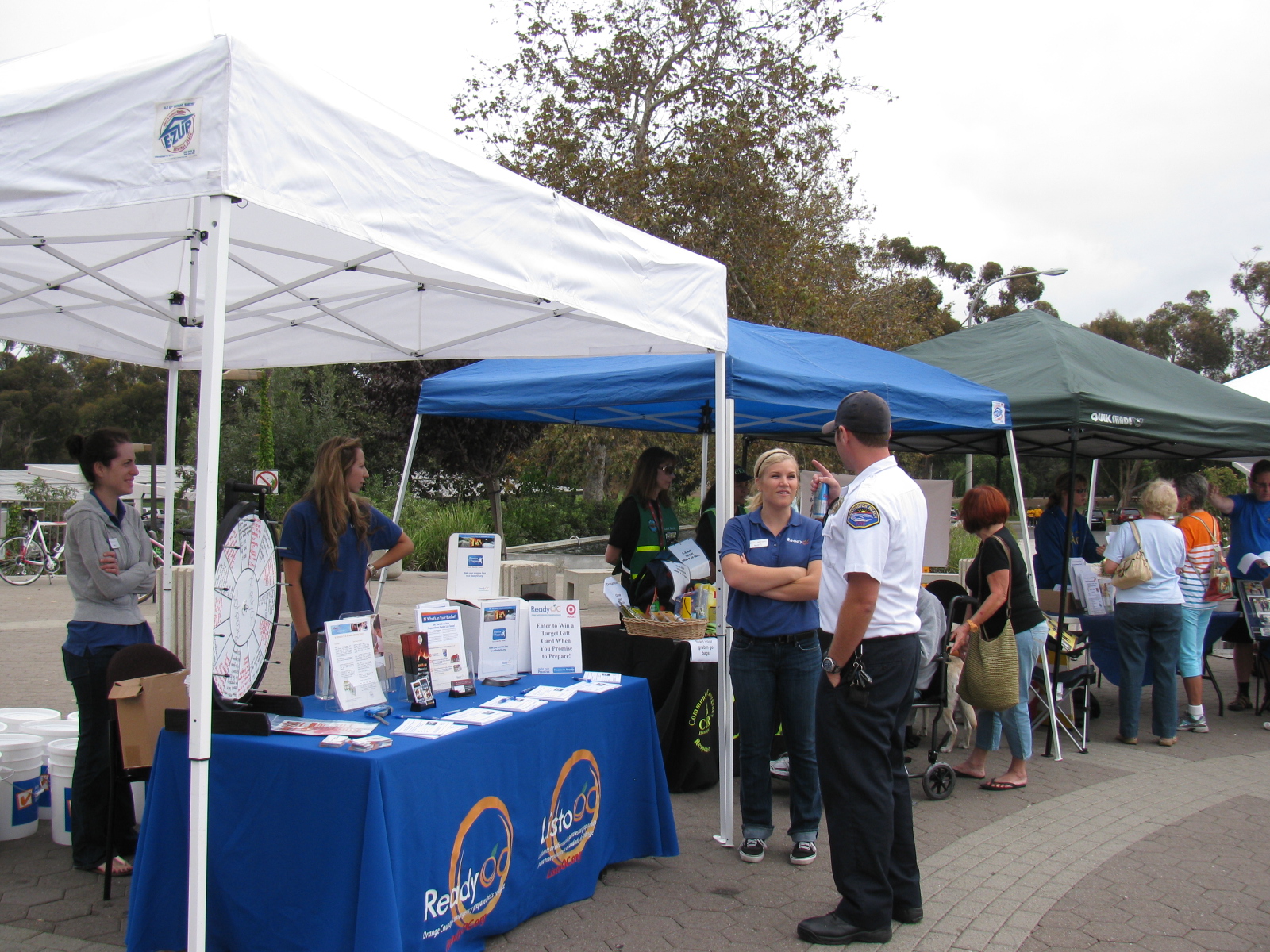
The Disaster Preparedness Expo is an annual, free event where the City’s emergency services organizations educate the public about emergency preparedness and the possible disasters that can happen to the city of Huntington Beach, such as earthquakes and tsunamis. The Expo is also a demonstration and recruiting tool for emergency preparedness volunteer groups in the city.
Additional information about the event can be found on the Huntington Beach Events website.
HB RACES volunteers at the Emergency Expo
Ray Coulon WA6CTS
Mike Fitzgerald KE6WUO
Gary Labb KM6VC
Joe Tom KB6JOE
Jeff Turlis KE6BNS
Wayne Yoshida KH6WZ
Other Groups at the Expo
American Red Cross
FireMed
HB Community Emergency Response Teams (CERT)
HB Radio Amateur Civil Emergency Service (RACES)
Huntington Beach Fire Department Urban Search & Rescue (USAR)
Huntington Beach Police Department
National Weather Service
Ready OC
Huntington Beach cable TV channel 3 was at the event, and shot plenty of video of the demonstrations and displays. Several of the event volunteers were interviewed and may appear on TV soon.
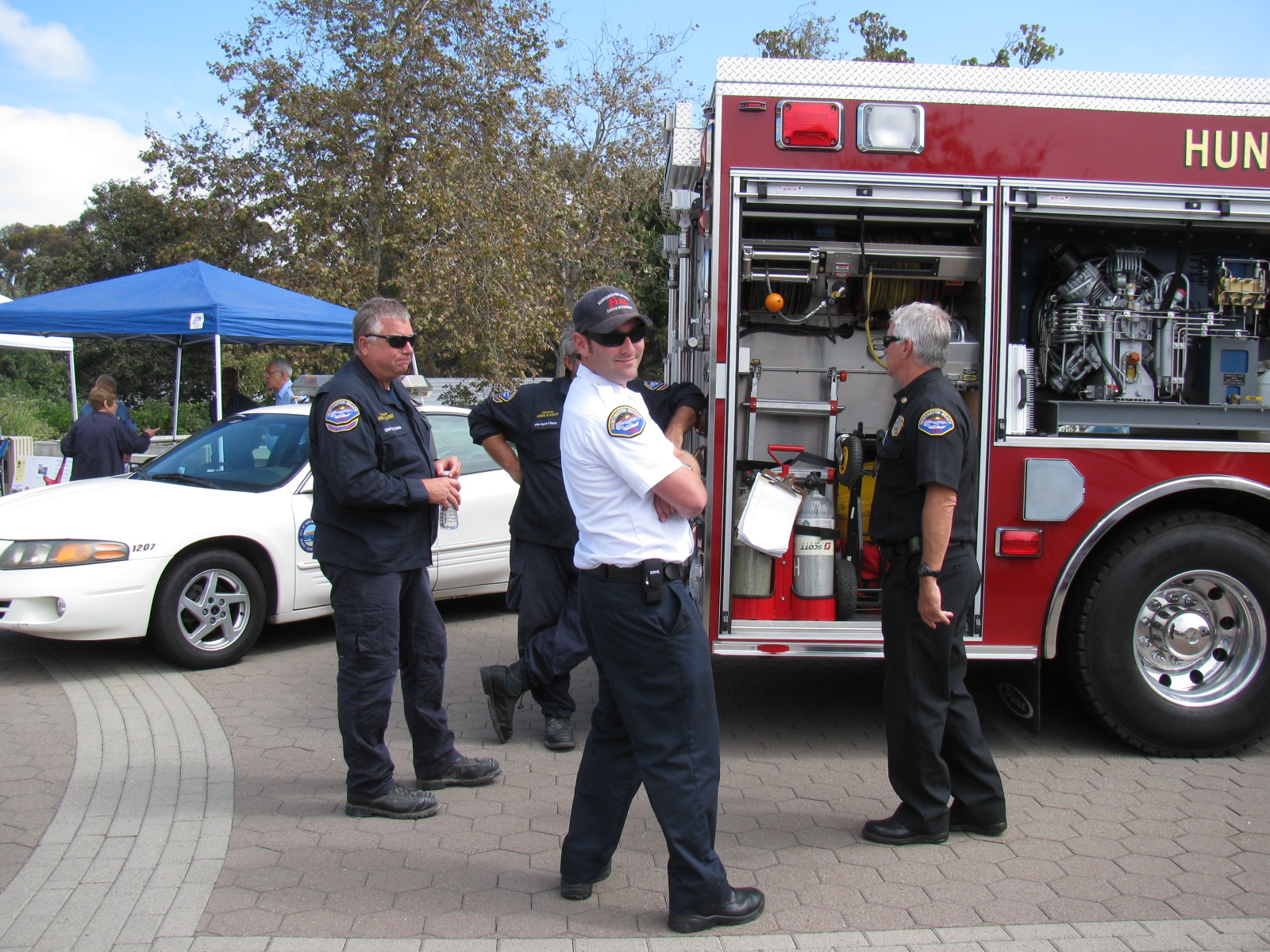
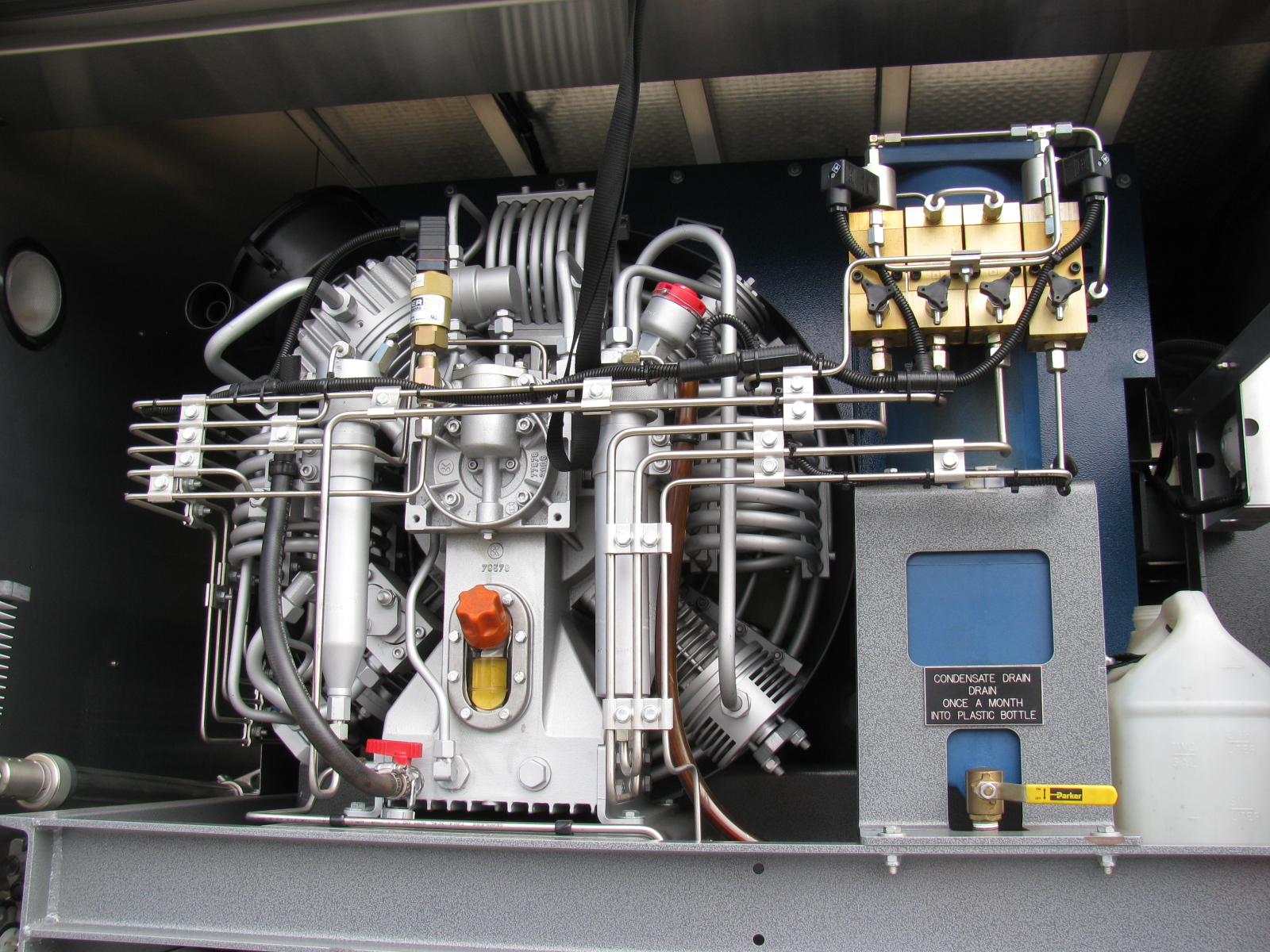
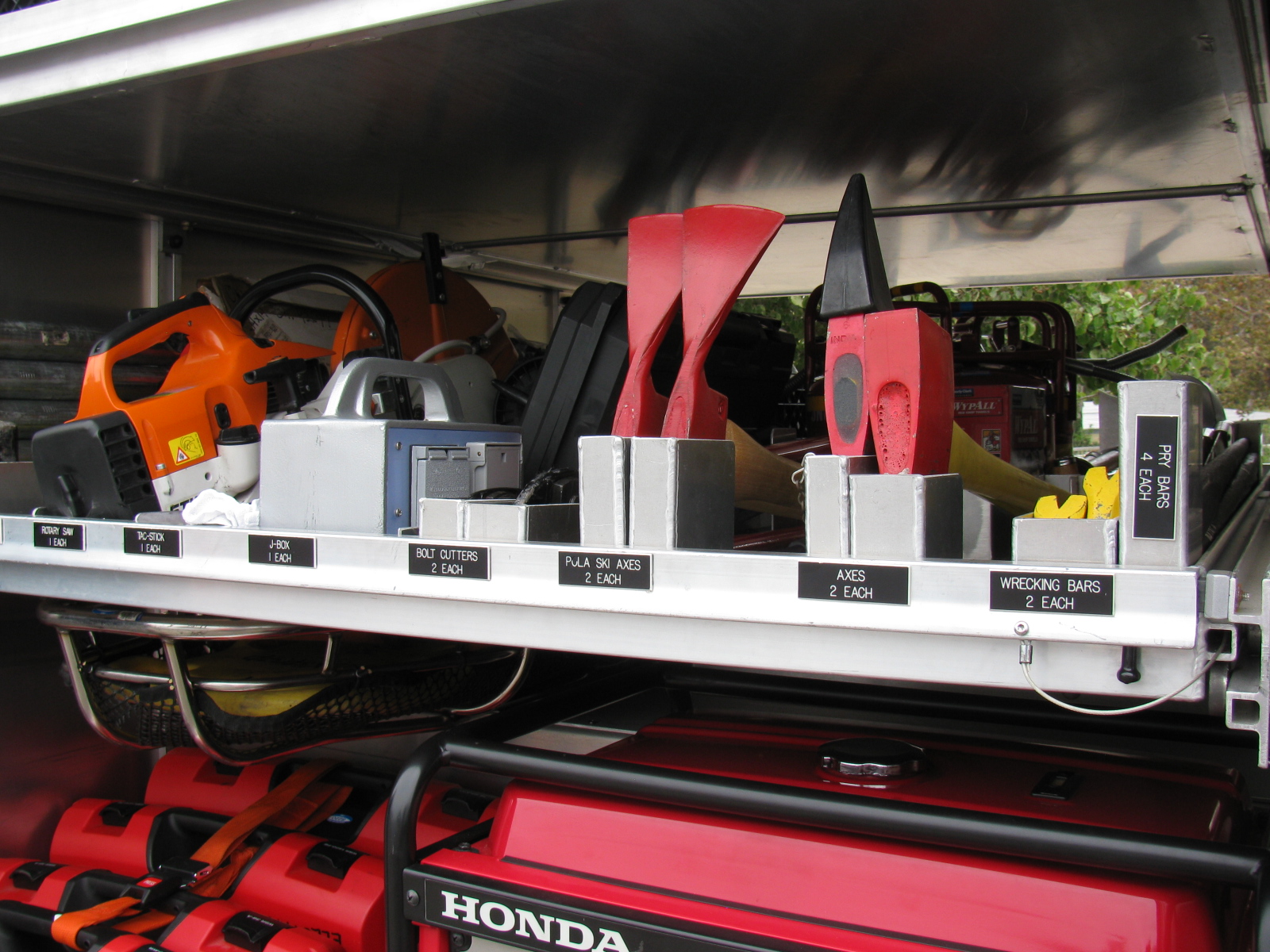
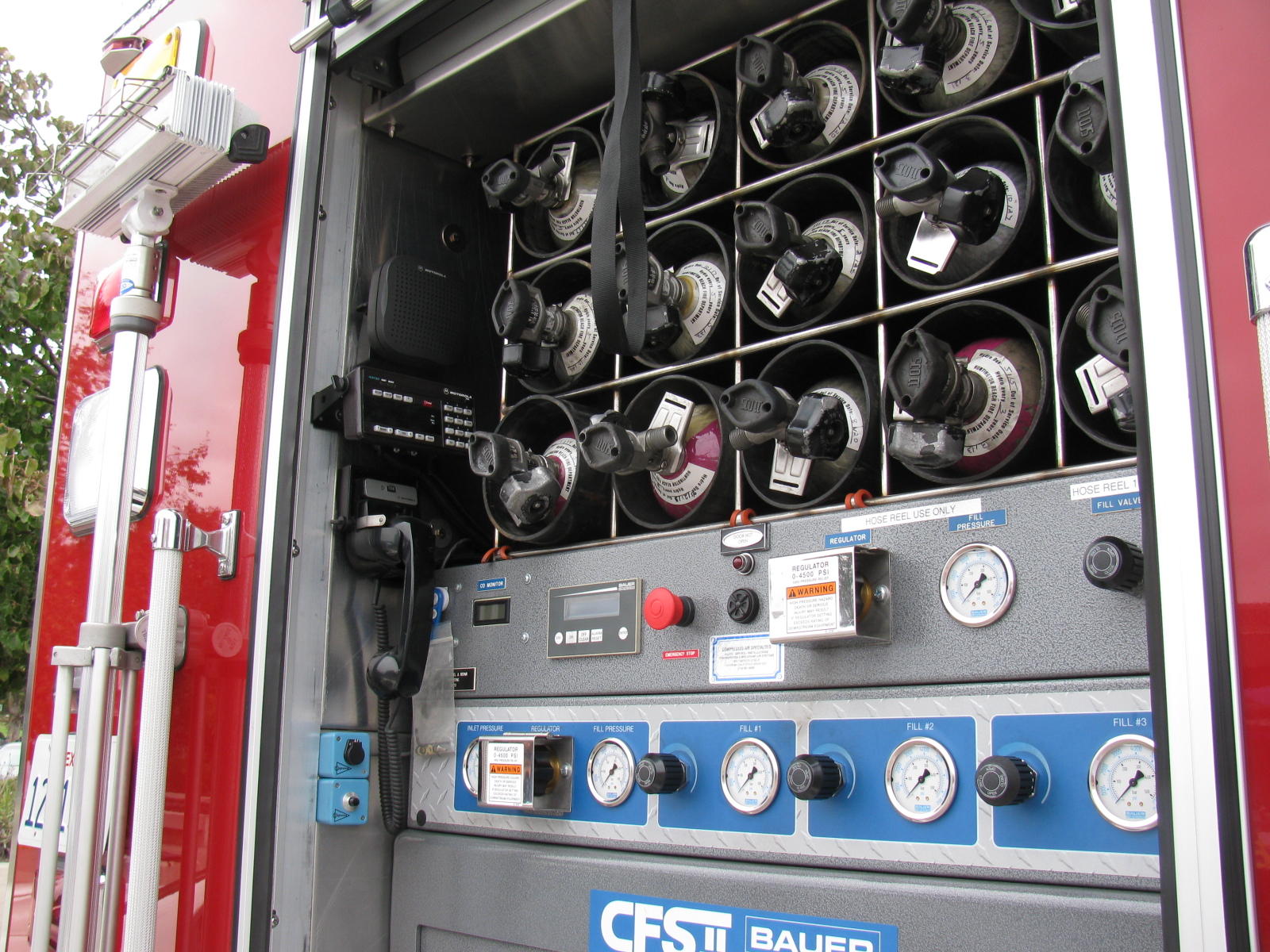
Here are some pictures of the event. . . .
No, not the long distance phone company. MCI is Motor Coach Industries in Schaumburg, IL USA.
MCI recently won an order for 84 of their CNG buses ($107.4 million) from New Jersey Transit.
Take a look at the beautiful buses made by MCI, powered by clean-burning compressed natural gas fed via Agility Fuel Systems.
More CNG news is posted at NGV Today, go to www.ngvtoday.org to subscribe.























 wayneyoshidakh6wz